
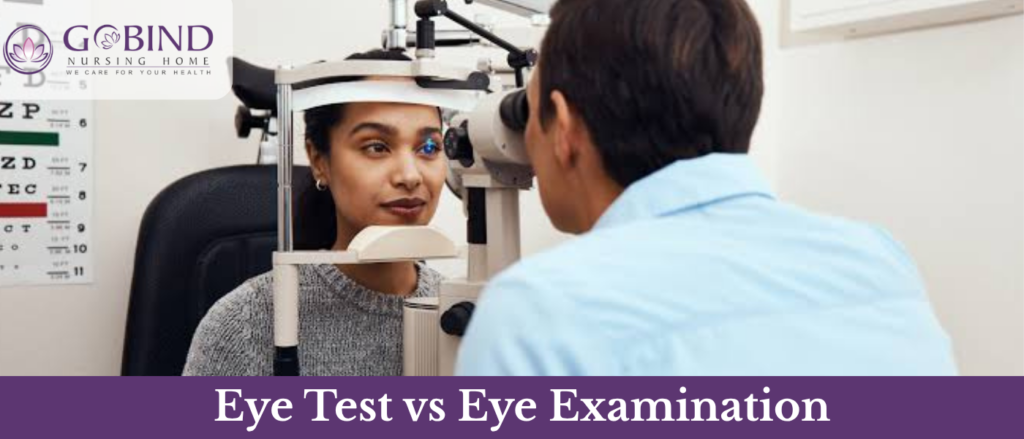
When it comes to protecting your vision, many people use the terms eye test and eye examination interchangeably. While they may sound similar, they are not exactly the same. Understanding the difference between an eye test vs eye examination can help you make informed decisions about your vision and overall eye health.
Many people only visit an eye doctor when they experience blurry vision or difficulty reading. However, healthy eyes require regular check-ups, even if you don’t notice any symptoms. A comprehensive eye assessment can detect hidden eye diseases, monitor your vision, and even reveal signs of other health conditions such as diabetes or high blood pressure.
What Is an Eye Test?
An eye test primarily focuses on evaluating how well you see. It measures your visual acuity and determines whether you need glasses or contact lenses.
The main purpose of an eye test is to identify refractive errors that affect your vision.
These include:
- Nearsightedness (Myopia)
- Farsightedness (Hyperopia)
- Astigmatism
- Presbyopia (Age-related difficulty seeing nearby objects)
During an eye test, the eye doctor may ask you to read letters from a vision chart, check your focusing ability, and determine the correct lens prescription if needed.
What Happens During an Eye Test?
A standard eye test usually includes:
- Visual acuity testing
- Refraction test for glasses or contact lens prescription
- Color vision assessment (when required)
- Basic eye alignment evaluation
An eye test is generally quick and focuses mainly on improving your vision rather than diagnosing eye diseases.
What Is an Eye Examination?
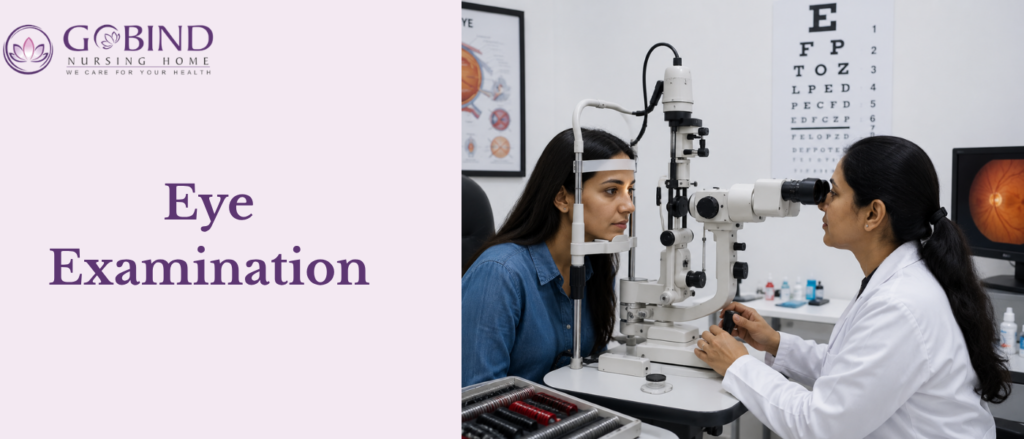
An eye examination is much more comprehensive than an eye test. It not only checks your vision but also evaluates the overall health of your eyes.
A complete eye examination helps detect eye diseases at an early stage—even before symptoms appear.
During a comprehensive examination, the eye doctor carefully examines different parts of the eye, including:
- Cornea
- Retina
- Optic nerve
- Lens
- Eye muscles
- Eye pressure
This detailed assessment helps identify conditions that may require immediate eye treatment or ongoing monitoring.
Why Is an Eye Examination More Important?
Many serious eye conditions develop silently without causing pain or noticeable vision problems in their early stages.
Examples include:
- Glaucoma
- Diabetic Retinopathy
- Macular Degeneration
- Cataracts
- Retinal disorders
A comprehensive eye examination can detect these conditions early, allowing timely eye treatment and preventing permanent vision loss.
Early diagnosis often means simpler treatment options and better long-term outcomes.
Advanced Technology Makes Eye Examinations More Accurate
Modern eye examinations use advanced diagnostic equipment to detect eye diseases earlier than ever before.
These technologies may include:
- Digital retinal imaging
- Optical Coherence Tomography (OCT)
- Visual field testing
- Corneal mapping
- Eye pressure measurement (Tonometry)
These painless tests provide detailed information that helps the eye doctor recommend the most suitable eye treatment for each patient.
Can an Eye Examination Prevent Vision Loss?
In many cases, yes.
Although not every eye disease can be prevented, early detection significantly reduces the risk of permanent vision loss.
Regular eye examinations help by:
- Detecting diseases before symptoms appear
- Monitoring existing eye conditions
- Updating treatment plans
- Protecting long-term vision
- Identifying general health issues that affect the eyes
Prevention is always better than waiting until vision problems.
What If You Need Eye Surgery?
Sometimes, an eye examination reveals conditions that cannot be corrected with glasses or medication alone.
Examples include:
- Advanced cataracts
- Certain retinal conditions
- Glaucoma requiring surgical intervention
- Corneal disorders
In such cases, the eye doctor may recommend eye surgery after discussing the benefits, risks, and expected outcomes.
Modern eye surgery techniques are highly advanced, minimally invasive, and often allow faster recovery than traditional procedures.
Conclusion
Understanding the difference between an eye test vs eye examination is essential for protecting your vision. While an eye test mainly checks how clearly you can see and whether you need glasses, an eye examination provides a complete assessment of your eye health, helping detect serious conditions before they cause permanent damage.
Regular visits to an experienced eye doctor are one of the best investments you can make for your long-term vision. Whether you need routine eye care, specialized eye treatment, or guidance about eye surgery, timely examinations can make all the difference.