

Your eyesight is one of your most valuable assets, yet many people only visit an eye doctor when they notice blurry vision or experience discomfort. The truth is that regular eye care is essential at every stage of life—not just when something feels wrong. Many serious eye conditions develop gradually without obvious symptoms, making routine eye examinations the best way to protect your vision and overall health.
Whether you’re a parent caring for your child’s eyesight, a working professional spending hours in front of digital screens, or a senior concerned about age-related vision changes, understanding how often you should get an eye exam can make a significant difference.
Eye Exam Schedule by Age
Eye Exams for Infants (Birth to 2 Years)
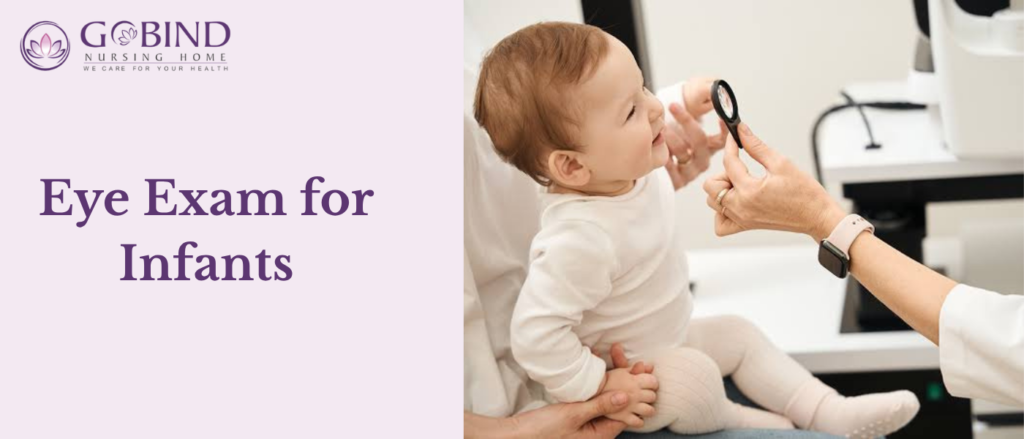
Healthy vision begins early. Babies should have their eyes examined to ensure normal visual development.
Recommended Schedule
- Newborn: Basic eye screening at birth
- 6 to 12 months: Comprehensive eye examination if recommended
What the Eye Doctor Checks
- Eye alignment
- Eye movement
- Congenital cataracts
- Lazy eye (Amblyopia)
- Crossed eyes (Strabismus)
- Overall eye health
Early diagnosis allows timely eye treatment, reducing the risk of permanent vision problems.
Eye Exams for Preschool Children (3–5 Years)
During these years, children’s visual system develops rapidly.
Recommended Frequency
At least one comprehensive eye examination between ages 3 and 5.
Common Conditions Detected
- Nearsightedness
- Farsightedness
- Astigmatism
- Lazy eye
- Eye coordination problems
Many children don’t realize they have vision issues because they assume everyone sees the same way.
Eye Exams for School-Age Children (6–18 Years)
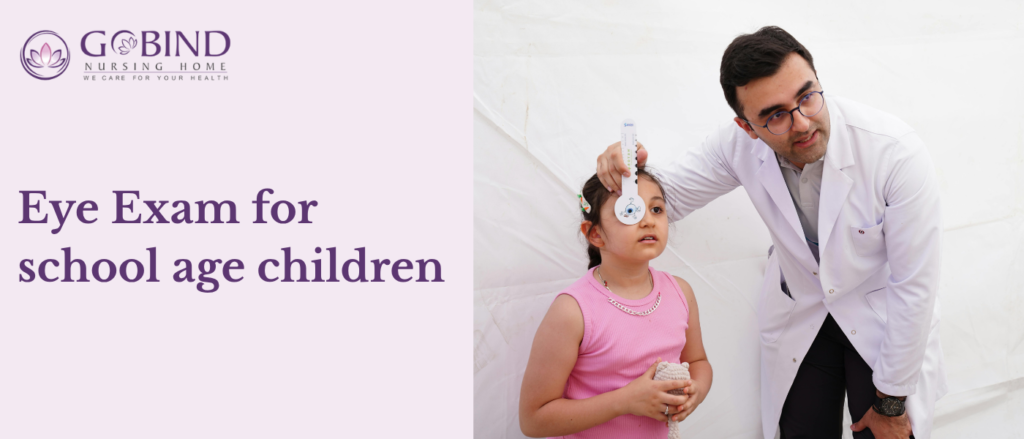
As children begin school, healthy vision becomes essential for learning and development.
Recommended Frequency
- Every 1–2 years
- Every year if wearing glasses or contact lenses
Signs Your Child Needs an Eye Exam
- Squinting frequently
- Sitting too close to the TV
- Holding books very close
- Frequent headaches
- Poor concentration
- Declining school performance
- Rubbing eyes often
Digital learning has also increased screen exposure, making regular eye care more important than ever.
Eye Exams for Young Adults (19–39 Years)
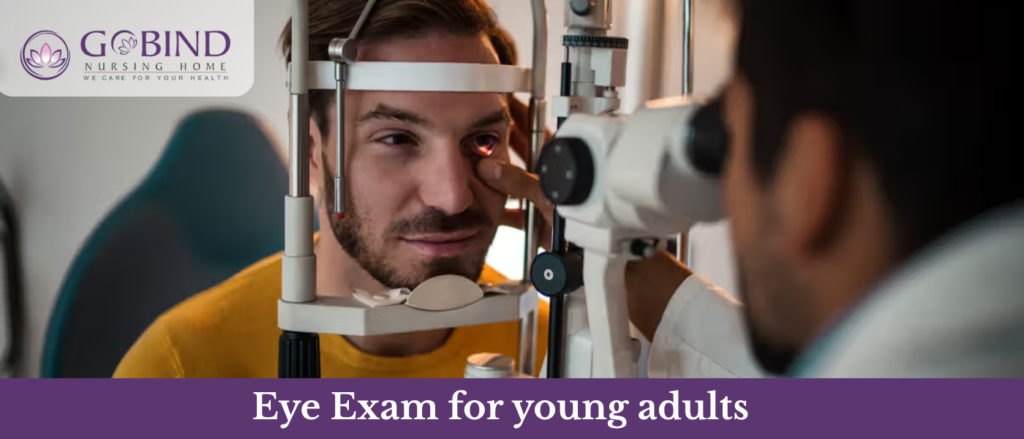
Many young adults skip eye exams because they assume their vision is stable.
However, this age group spends significant time on computers, smartphones, and tablets, increasing the risk of digital eye strain.
Recommended Frequency
- Every year for healthy adults
- Every 6 months
- You wear glasses
- You use contact lenses
- You have diabetes
- You have a family history of eye disease
Eye Problems Common in Young Adults
- Digital eye strain
- Dry eyes
- Refractive errors
- Eye allergies
Regular visits to an eye doctor ensure that even minor issues receive timely eye treatment before they worsen.
Eye Exams for Adults (40–59 Years)
Age 40 is a turning point for eye health.
Many adults begin experiencing presbyopia, making it difficult to read small print.
Recommended Frequency
- Every 1–2 years
- More frequently if advised by your eye specialist
Conditions That Become More Common
- Glaucoma
- Cataracts
- Diabetic retinopathy
- Dry eye syndrome
- Early macular degeneration
Routine screenings can detect these conditions before vision is permanently affected.
Eye Exams for Seniors (60 Years and Above)
As we age, the risk of eye disease increases significantly.
Recommended Frequency
Annual comprehensive eye exams.
Higher Risk of
- Cataracts
- Glaucoma
- Macular degeneration
- Retinal disorders
- Diabetic eye disease
Many seniors require ongoing eye treatment or even eye surgery to maintain good vision and quality of life.
People Who Need More Frequent Eye Exams
Some individuals should visit their eye doctor more often, regardless of age.
You may need yearly or more frequent eye examinations if you have:
- Diabetes
- High blood pressure
- Family history of glaucoma
- Previous eye injuries
- Autoimmune diseases
- High myopia (severe nearsightedness)
- Long-term steroid use
- Previous eye surgery
Your eye specialist will recommend a personalized schedule based on your risk factors.
Conclusion
Your vision changes throughout life, which is why there’s no one-size-fits-all schedule for eye examinations. Children need regular screenings to support healthy development, adults require periodic monitoring to detect silent eye diseases, and seniors benefit from annual exams to manage age-related conditions.
The best approach is simple: don’t wait until your vision becomes blurry or uncomfortable. Regular visits to an experienced eye doctor allow early detection, timely eye treatment, and, when necessary, advanced eye surgery that can protect and restore vision.