
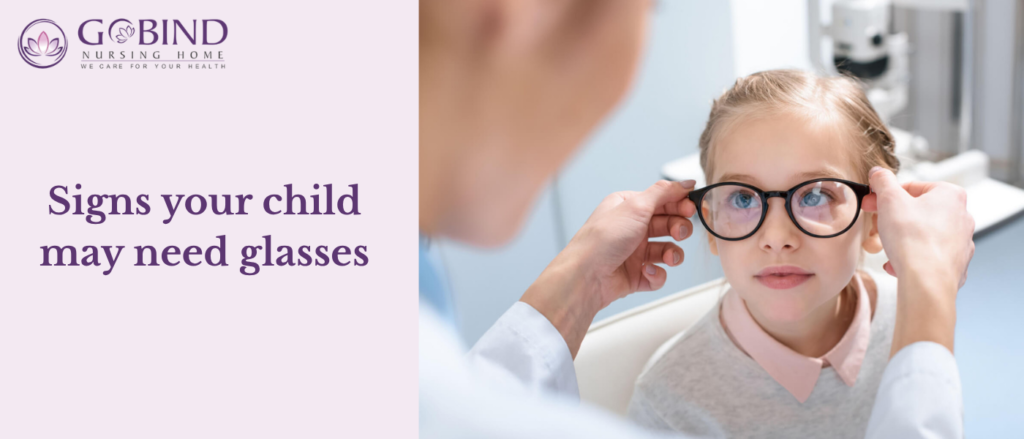
Children rely heavily on their vision for learning, playing, reading, and understanding the world around them. However, many children do not realize that their vision is not clear because they assume everyone sees the same way. This is why parents and caregivers need to recognize the signs your child may need glasses.
Uncorrected vision problems can affect classroom performance, concentration, confidence, and everyday activities. Early identification and appropriate eye care can help ensure that a child has the clearest possible vision during important stages of development. If you notice repeated signs of visual difficulty, an examination by an eye doctor can determine whether your child needs glasses or other eye treatment.
Why Is Good Vision Important for Children?
Clear vision plays an important role in a child’s physical, social, and academic development. Children use their eyes to read books, copy from a board, recognize faces, participate in sports, and navigate their surroundings.
Common childhood vision problems can include:
- Nearsightedness (myopia)
- Farsightedness (hyperopia)
- Astigmatism
- Difficulty focusing
- Eye alignment problems
- Differences in vision between the two eyes
Some of these conditions may require glasses, while others may need monitoring or specialized treatment. In certain situations, an eye doctor may recommend additional evaluation to understand how well both eyes are working together.
10 Signs Your Child May Need Glasses
1. Squinting Frequently
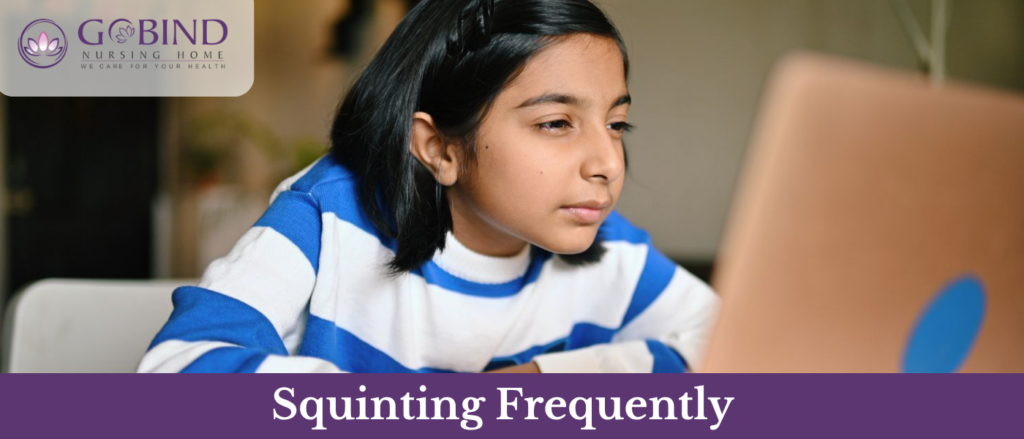
One of the most noticeable signs is frequent squinting. Your child may squint while looking at the television, reading, seeing something in the distance, or trying to recognize objects.
Squinting can temporarily make an image appear sharper by reducing the amount of light entering the eye. If your child regularly squints to see clearly, it is worth scheduling an eye examination.
2. Sitting Too Close to the TV or Screen
If your child consistently sits very close to the television, tablet, computer, or phone, it may indicate difficulty seeing objects clearly from a distance.
Sitting close to a screen does not automatically mean a child needs glasses. However, when it happens frequently along with other symptoms, it should not be ignored.
Parents should encourage healthy screen habits as part of everyday eye care, but persistent difficulty seeing distant objects should be evaluated by an eye doctor.
3. Holding Books or Devices Very Close
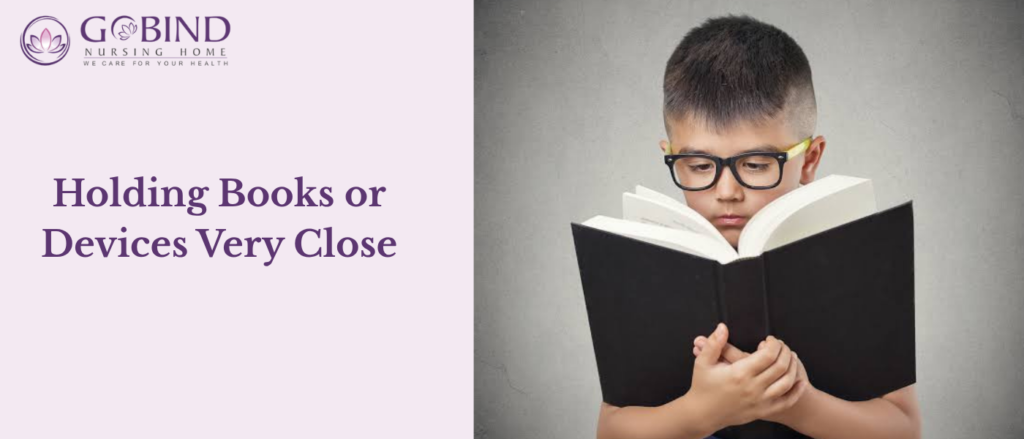
A child who brings books, homework, or digital devices unusually close to their face may be struggling to see small details clearly.
Pay attention during activities such as:
- Reading
- Drawing
- Writing
- Completing homework
- Looking at pictures
- Using a tablet or computer
If your child repeatedly moves objects closer to their face, professional vision testing can help identify the reason.
4. Frequent Headaches
Recurring headaches, especially after reading, studying, or screen use, can sometimes be associated with an uncorrected vision problem.
Children may not always describe visual discomfort accurately. Instead, they may simply say that their head hurts or that they feel tired after schoolwork.
Frequent headaches can have many possible causes, so they should not automatically be attributed to eyesight. However, an eye examination can help determine whether a vision problem is contributing.
5. Rubbing the Eyes Frequently
Occasional eye rubbing is normal, particularly when children are tired. But frequent rubbing may indicate eye strain, irritation, dryness, allergies, or difficulty seeing clearly.
If eye rubbing is persistent or accompanied by redness, watering, pain, or sensitivity to light, parents should seek professional advice rather than assuming the child simply needs glasses.
Good eye care includes paying attention to repeated changes in your child’s eye behavior.
6. Difficulty Reading or Following Text
Does your child lose their place while reading? Do they skip words, move their finger along the page, or repeatedly lose focus?
These behaviors can sometimes be related to vision difficulties. A child may also avoid reading because it becomes uncomfortable or tiring.
If reading suddenly becomes a struggle, an eye examination should be considered alongside other possible causes.
7. Covering or Closing One Eye
Some children may cover one eye while reading, watching television, or looking at distant objects.
This may happen when one eye provides clearer vision than the other or when the eyes have difficulty working together.
Because children may naturally adapt to vision differences, parents may not immediately notice the problem. Repeatedly covering one eye is a reason to arrange an assessment with an eye doctor.
8. Tilting or Turning the Head
A child who consistently tilts, turns, or positions their head in a particular way while looking at something may be trying to achieve clearer vision.
This behavior can sometimes be associated with problems involving eye alignment or focusing.
It does not necessarily mean that glasses are required, but it is an important observation to share with an eye specialist.
9. Poor Performance at School
Vision problems can sometimes affect a child’s classroom experience.
A child who cannot clearly see the board may struggle to copy notes, recognize words, or follow visual instructions. They may appear distracted when the underlying problem is actually difficulty seeing.
Parents and teachers should watch for changes such as:
- Avoiding reading or writing
- Difficulty copying from the board
- Losing concentration during visual tasks
- Complaining that the classroom board is blurry
- Making unusually frequent mistakes while reading
A comprehensive eye examination can help determine whether eyesight is contributing to these difficulties.
10. Avoiding Sports or Activities That Require Good Vision
Children with uncorrected vision problems may avoid activities that require seeing objects from a distance.
For example, a child may struggle to catch a ball, recognize teammates, or follow moving objects. They may become frustrated and gradually lose interest in sports or outdoor activities.
If this behavior is new or persistent, consider discussing it with an eye doctor.
What If a Child Needs More Than Glasses?
Most childhood refractive errors can be managed effectively with appropriate corrective lenses. However, some eye conditions may require additional evaluation or specialized eye treatment.
In selected cases, treatment may involve more than simply prescribing glasses. Early diagnosis is particularly important for certain childhood eye conditions because delayed treatment can affect visual development.
Eye surgery is not routinely required simply because a child needs glasses. Surgical treatment is considered only for specific eye conditions and is determined by an eye specialist after a detailed evaluation.
Simple Eye Care Tips for Children
Parents can support healthy vision by encouraging simple daily habits:
- Encourage regular breaks during prolonged screen or near work.
- Maintain a comfortable reading distance and good lighting.
- Encourage children to spend time outdoors.
- Discourage frequent eye rubbing.
- Ensure children use screens responsibly.
- Pay attention to repeated headaches or visual complaints.
- Schedule professional eye examinations when recommended.
- Follow the eye doctor’s advice regarding glasses and follow-up visits.
These habits are part of good eye care, but they do not replace professional eye examinations.
Conclusion
Recognizing the signs your child may need glasses can help parents address vision problems before they begin affecting learning, confidence, and everyday activities. Frequent squinting, headaches, sitting too close to screens, difficulty reading, covering one eye, or trouble seeing the classroom board should not be ignored.
Regular eye care and timely consultation with an eye doctor can help identify vision problems early and determine whether glasses or other eye treatment is needed. If your child shows persistent changes in vision or unusual eye-related behavior, schedule a comprehensive eye examination rather than waiting for the problem to worsen.
At Gobind Nursing Home, appropriate evaluation can help parents understand their child’s eye health and the next steps for care. Remember, eye surgery is required only for certain eye conditions and should always be recommended after a thorough examination by an eye specialist.