
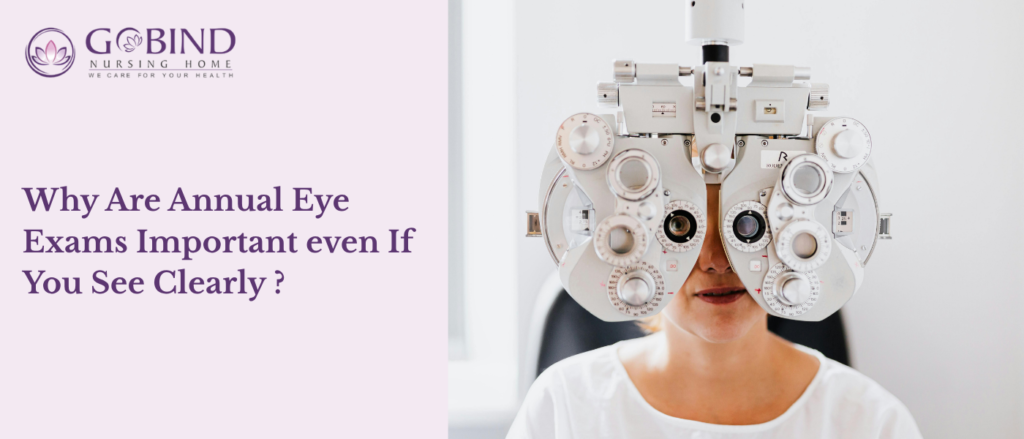
Good vision often gives people a false sense of security. If you can read road signs, use your smartphone, and work on a computer without difficulty, you may assume your eyes are perfectly healthy. However, annual eye exams are important even if you see clearly because many serious eye conditions develop silently without causing noticeable symptoms in their early stages.
Regular eye check-ups are not just about updating your glasses or contact lens prescription. They play a vital role in maintaining long-term eye care, detecting hidden eye diseases, and even identifying signs of other health conditions like diabetes and high blood pressure. A timely visit to an experienced eye doctor can help protect your vision and prevent permanent vision loss.
What Is an Annual Eye Exam?
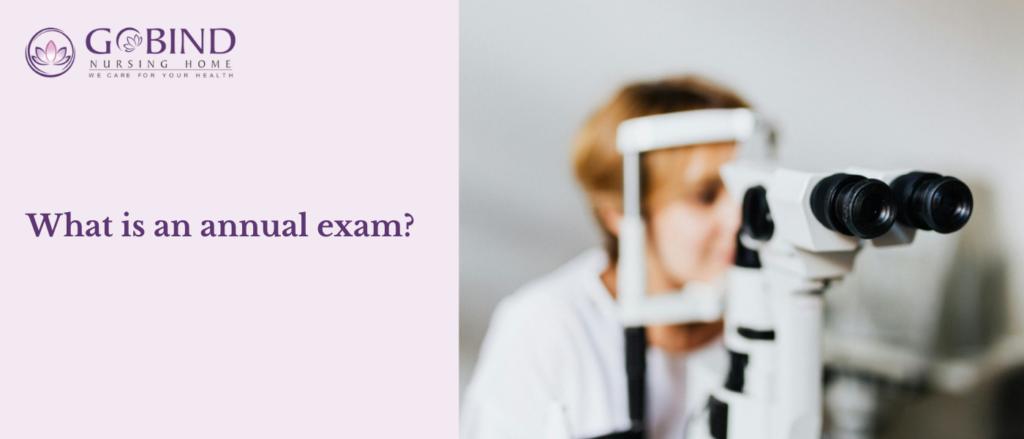
An annual eye exam is a complete evaluation of your eye health, not just a vision test. During the examination, an eye doctor checks several aspects of your eyes, including:
- Visual acuity (clarity of vision)
- Eye pressure
- Retina and optic nerve health
- Cornea and lens condition
- Eye muscle coordination
- Peripheral (side) vision
- Signs of cataracts, glaucoma, or retinal diseases
These tests help identify problems that may not affect your vision until they become advanced.
Why Clear Vision Doesn’t Always Mean Healthy Eyes?
Many eye diseases progress slowly and painlessly. By the time symptoms appear, permanent damage may already have occurred.
Several serious eye conditions develop without early warning signs, including:
1. Glaucoma
Often called the “silent thief of sight,” glaucoma damages the optic nerve gradually. Most people experience no pain or vision changes in the early stages.
Routine eye exams can detect increased eye pressure and optic nerve damage before vision is permanently affected.
2. Diabetic Eye Disease
People with diabetes may develop diabetic retinopathy without noticing any symptoms initially.
Early detection through regular eye care allows prompt eye treatment, reducing the risk of severe vision loss.
3. Age-Related Macular Degeneration (AMD)
AMD affects central vision and becomes more common with age.
Many patients don’t notice the disease until it begins interfering with reading, driving, or recognizing faces.
Annual eye exams help identify early changes before vision declines significantly.
4. Cataracts
Cataracts develop slowly over time.
While mild cataracts may not affect daily activities initially, regular monitoring helps determine the right time for eye surgery, ensuring the best possible outcome.
Early Detection Saves Vision
One of the biggest advantages of routine eye exams is early diagnosis.
When detected early, many eye conditions can be managed successfully through:
- Prescription eye drops
- Lifestyle modifications
- Laser procedures
- Regular monitoring
- Advanced eye treatment
- Timely eye surgery when required
Waiting until symptoms appear often limits treatment options.
Benefits of Regular Eye Care
Making annual eye exams part of your healthcare routine offers several long-term benefits.
Better Vision Protection
Early diagnosis helps preserve eyesight for years to come.
Lower Risk of Vision Loss
Many eye diseases are treatable when caught early.
Cost Savings
Preventive eye treatment is often less expensive than treating advanced eye diseases or requiring emergency eye surgery.
Improved Quality of Life
Healthy vision supports independence, safe driving, reading, working, and enjoying everyday activities.
Peace of Mind
Knowing your eyes are healthy provides confidence and reduces the risk of unexpected vision problems.
Conclusion
Seeing clearly does not always mean your eyes are healthy. Many vision-threatening conditions develop silently, causing irreversible damage before symptoms become noticeable. That’s why annual eye exams are important even if you see clearly. Regular check-ups allow an experienced eye doctor to detect problems early, recommend the right eye treatment, and, when necessary, perform timely eye surgery to preserve your eyesight.
Whether you’re a student, a working professional, a senior citizen, or someone with no apparent vision issues, preventive eye care should never be overlooked. Scheduling a yearly eye examination at Gobind Nursing Home is a simple yet powerful step toward protecting your vision and maintaining lifelong eye health.